

A Core Network Is Not a Product List
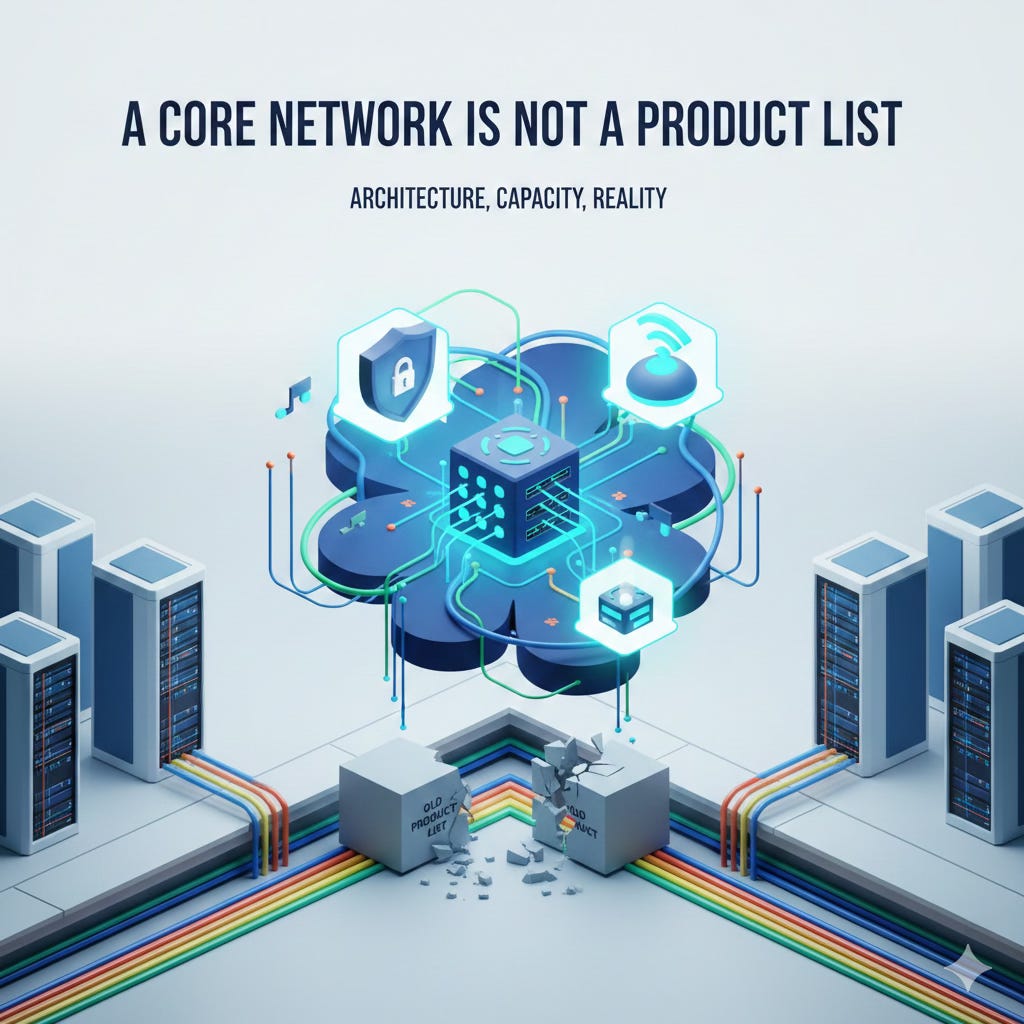
Enterprise networks are often misunderstood: organizations think adding expensive devices or licenses solves problems. The reality? A core network is about behavior, not boxes. Switches, firewalls, and access points don’t just exist—they act together to segment traffic, enforce policies, and maintain operations.
Many projects fail not because the network is bad, but because decision-making is fragmented. Expensive hardware alone cannot replace thoughtful design. You need a clear understanding of reports, validation, and lifecycle considerationsalongside technical specs.
Reports and Real-World Testing
Market reports like Gartner can help filter options, but they don’t tell you which product fits your scenario. Benchmarks, lab tests, and real-life performance matter. Throughput on paper rarely equals throughput in production when IPS, SSL decryption, and application control are active.
Support and Lifecycle
Network design doesn’t end at installation. Consider EoL/EoS dates, patch cycles, support accessibility, RMA processes, and vendor roadmaps. Ignoring these factors often causes operational headaches long before the hardware fails.
Firewalls, Switching, and Access
Firewalls now play multiple roles: perimeter protection, internal segmentation, data center throughput, or WAF functionality. Choosing a firewall is not about a single model—it’s about covering each role effectively. Capacity matters more than raw Gbps: session handling, NAT tables, SSL decryption, and logging often become the real bottlenecks.
Switches are decision points for traffic concentration, separation, and forwarding. Edge vs. data center, uplink sizing, and oversubscription ratios are critical. Wi-Fi and access points stress the core more than expected: uplink speed, controller capacity, session handling, and roaming behavior all affect network stability.
Vendor Strategy and Automation
Single-vendor, dual-vendor, or best-of-breed architectures all work depending on team maturity and operational priorities. Automation is no longer optional—API integration should drive selection. Ask first: “How do I operate this architecture automatically?”
The Invisible Foundation: Data Center and Cabling
Server rooms and cabling are often overlooked, yet they underpin network reliability. Cooling, power, airflow, labeling, and access policies are operational necessities. Copper vs. fiber, patch panel organization, and cable management are not aesthetic choices—they reduce risk.
Key Takeaways:
A core network is about architecture and behavior, not just devices.
Planning must include lifecycle, capacity, and real-world validation.
Firewalls, switches, and APs must be selected in context, not in isolation.
Automation and structured cabling are critical enablers of stability and scalability.
Read the full version: https://barashhelvadzhaoglu.com/en/architecture/a-core-network-is-not-a-product-list/